
What's on this page
- Solar panel lifespan: how long do solar panels last?
- How long do residential solar panels last on average?
- Degradation over the years
- What the degradation rate really means
- The degradation table: output from year 1 to year 30
- The life of solar panels: a typical lifespan
- What “lifespan” actually means for a panel
- How long do solar panels last before they fail?
- Production warranty vs physical lifespan
- Production warranty vs product warranty
- When panels reach the replacement point
- Panel output past the 25-year mark
- What actually wears panels down
- The failure modes that cut a system short
- Inverter lifespan and replacement
- The inverter is the part you will likely replace
- How climate and install quality change longevity
- Maintenance that extends panel life
- What to expect in decades two and three
- When replacing your panels makes sense
- Lifespan vs payback: solar outlasts its break-even
- Sizing for the long haul
- A worked example: output in year 1 vs year 25
- Put your own numbers in
- What happens if a panel misses its guarantee
- The bottom line
Short answer: Most quality solar panels last 25 to 30 years or more. They do not stop on a timer; they degrade at roughly 0.5 percent a year, so a panel still produces about 85 to 90 percent of its original output after 25 years. The 25-year figure is the standard production warranty, not an expiration date. The inverter is the part that usually needs replacing first, at about 10 to 15 years.
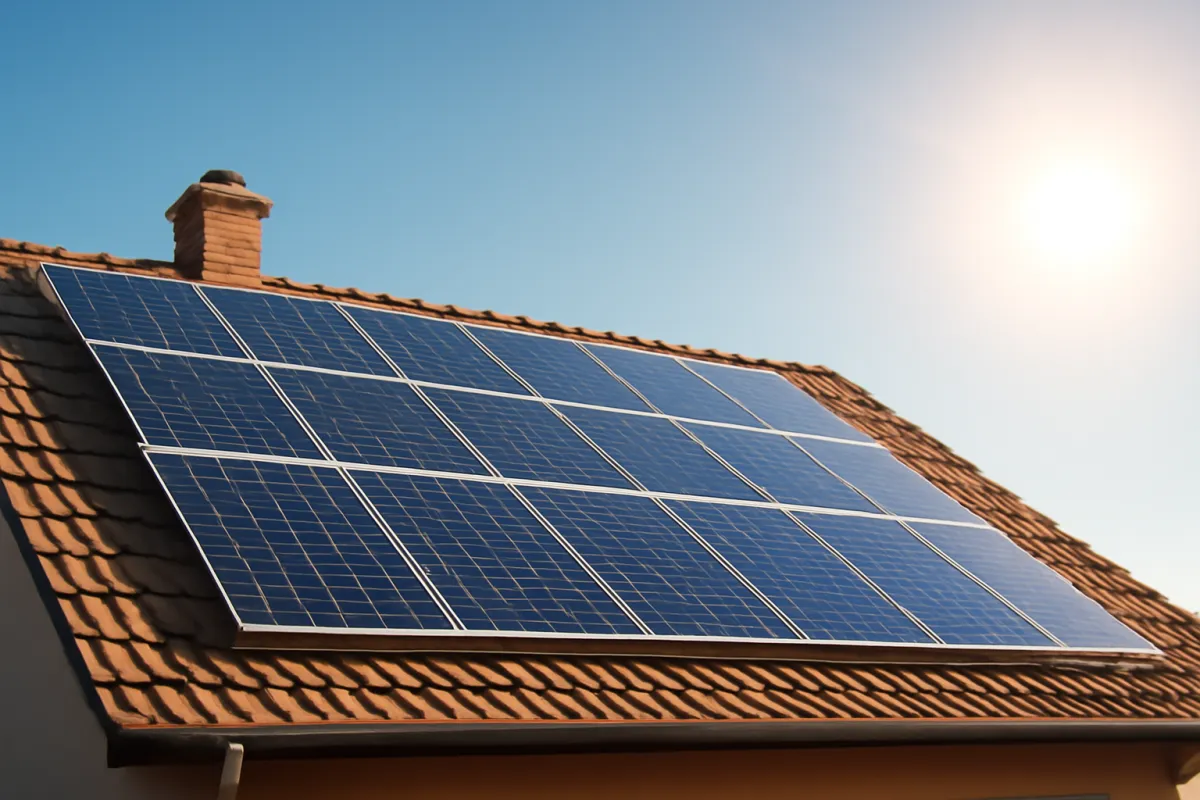
How long do solar panels last? Most quality panels keep producing for 25 to 30 years or more, and many run well beyond that at a slowly reduced output. That is the honest headline, and it reframes the question: solar panel lifespan is about slow decline, not sudden death. A panel installed today will very likely still be generating electricity in year 30, just a little less each year, because panels do not fail on a timer so much as fade gently. The widely quoted 25-year figure is a warranty window, not an expiration date.
This field guide explains what that lifespan number actually means, why panels degrade at roughly half a percent a year, and which part of a solar system genuinely wears out first (spoiler: it is the inverter, not the panels). Along the way we connect longevity to the numbers that decide whether solar is a smart buy: since panels easily outlast their break-even point, our coverage note on the solar payback period and our breakdown of what home solar costs are the natural companions to this one. You can also drop your own array into the calculator and watch its output decline year by year.
Key takeaways
- Most modern panels carry a 25-year production warranty and keep working well past it, so the real lifespan is 25 to 30-plus years, not a hard stop.
- Panels do not die; they degrade at roughly 0.5% a year, still producing about 85% to 90% of original output after 25 years.
- The inverter is the component that usually needs replacing first, at about 10 to 15 years, and it is the real mid-life cost to plan for.
- Heat, weather stress, microcracks, and build quality set how fast a panel fades; a quality panel and a careful install are the biggest levers you control.
- Because a typical payback lands near year 8 to 11, panels spend most of their life producing power that is close to free.
Solar panel lifespan: how long do solar panels last?
The short answer is 25 to 30 years or more, and the longer answer is that the question has a soft edge rather than a hard one. Solar panels do not run for a fixed number of years and then stop. They generate a little less electricity each year, on a slope so gentle that a panel two and a half decades old is still doing most of what it did on day one. The 25-year number everyone cites is the length of the standard production warranty, which is a manufacturer’s promise about output, not a countdown to failure.
That distinction matters for every decision that follows. If you treat 25 years as the moment the system dies, you undercount its value badly, because the panels keep producing for years afterward. If you treat it as what it really is, a warrantied floor on a slowly declining output, you can plan honestly: a long stretch of near-free power, one likely inverter replacement partway through, and panels that outlast their own payback several times over. Put your array into the calculator to see the decline mapped out year by year.
How long do residential solar panels last on average?
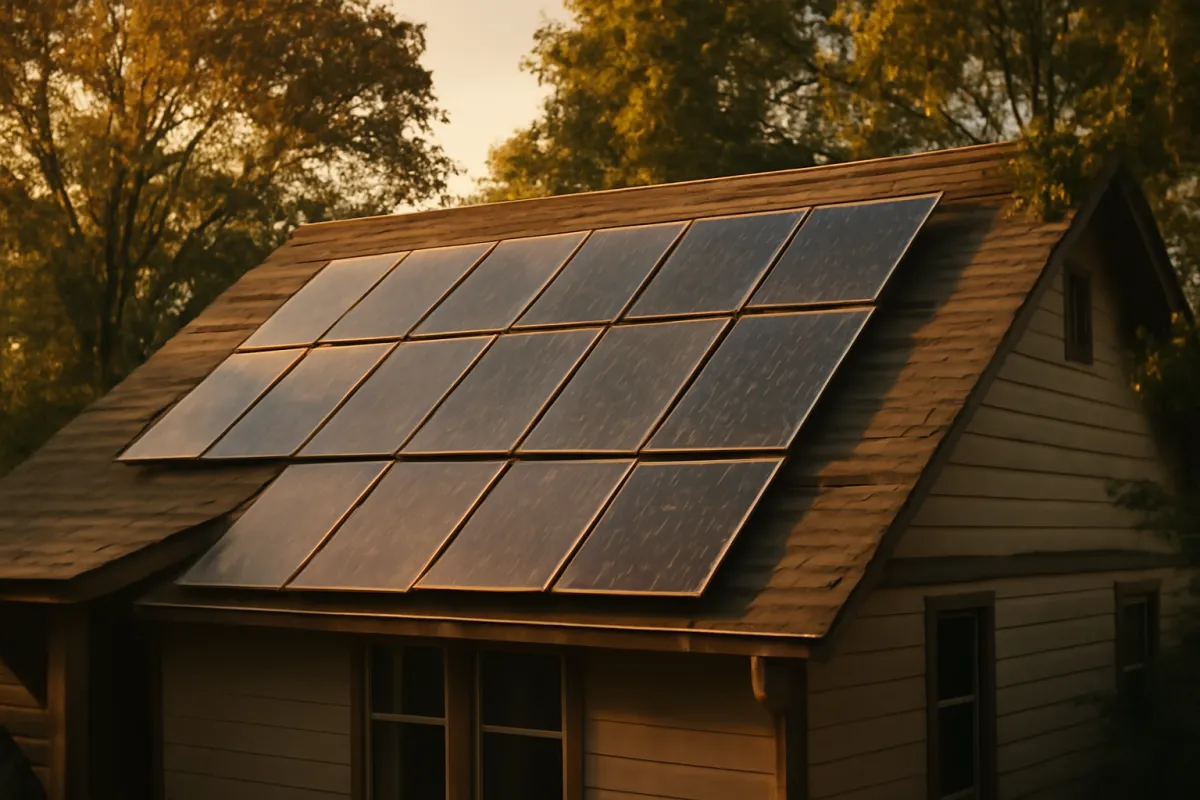
On average, residential solar panels last 25 to 30 years as a warrantied window, with real-world production commonly continuing past 30, a range consistent with the panel lifespan the Department of Energy’s end-of-life management page for solar photovoltaics describes. That average hides a spread. Premium panels from established manufacturers, installed and ventilated well in a mild climate, sit at the long end. Cheaper panels in a punishing climate, or ones installed carelessly, sit at the short end. But even the short end is measured in decades, not years.
It helps to separate two numbers that often get blurred. The first is the warranty period, typically 25 years, over which the manufacturer guarantees a minimum output. The second is the physical service life, which is usually longer: panels keep generating after the warranty lapses, just without the paper guarantee behind them. When someone says panels “last 25 years,” they almost always mean the first number. The second, the point where a panel produces so little that it is not worth keeping on the roof, tends to arrive much later, if it arrives at all before you choose to upgrade. For how that long life stacks up against the upfront price, see our note on home solar costs.
Degradation over the years
Yes. Every solar panel loses a small amount of output each year, a process called degradation, and it is the single most important idea for understanding lifespan. The key point is that the loss is small and steady. A typical modern panel degrades at roughly 0.5% per year. Some premium panels do better, closer to 0.25% to 0.4%; some budget panels do worse, closer to 0.7% to 0.8%. But the whole industry lives in that narrow band of well under one percent a year.
Compounded over a warranty window, that slow rate still leaves plenty of output. At 0.5% a year, a panel making full output when new produces roughly 85% to 90% of that after 25 years. It is worth sitting with how gentle that is: after a quarter century of weather, sun, and temperature swings, the panel still does close to nine-tenths of its original job. Degradation is real, and honest lifetime math accounts for it, but it is erosion, not collapse. The chart later in this field guide traces the exact curve.
What the degradation rate really means
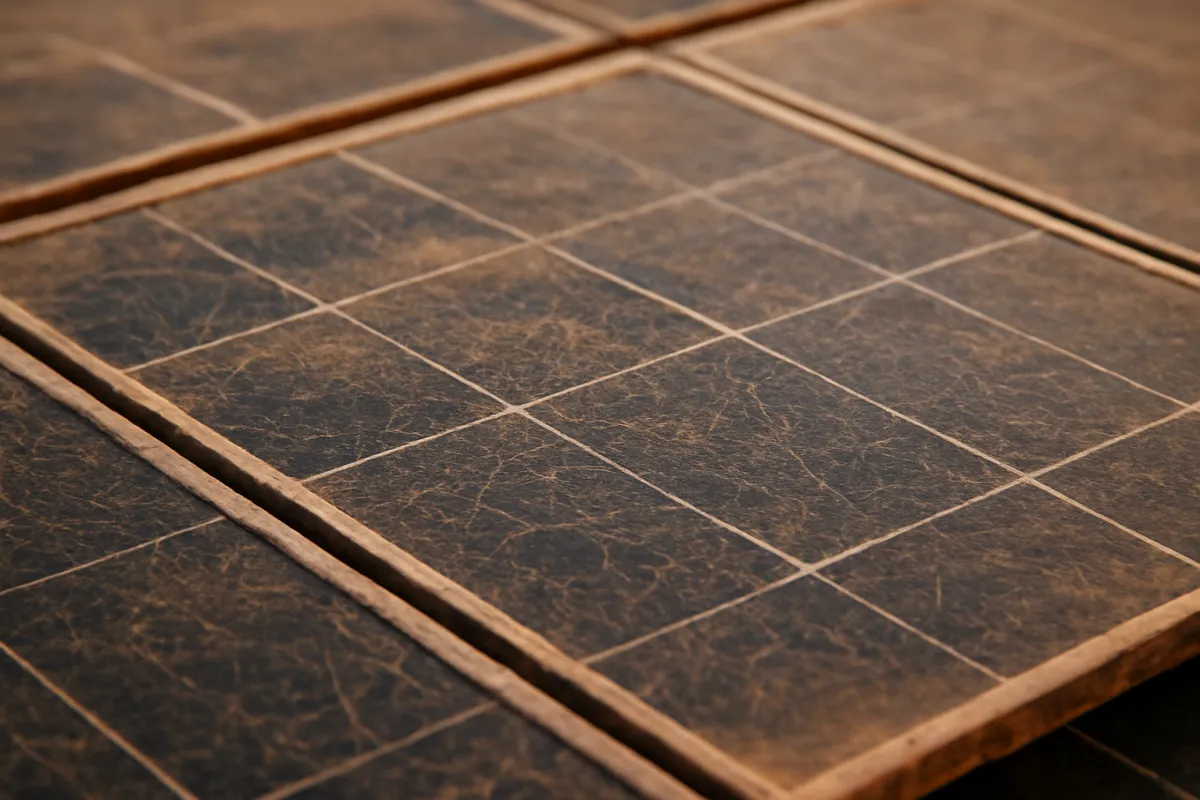
The degradation rate is a percentage, and percentages compound, so it pays to be precise about how it works. A 0.5% annual rate does not mean the panel loses 0.5% of its original output every year in a straight line. It means it loses 0.5% of the previous year’s output, which is a slightly shrinking amount each year. In practice the difference is small over a 25-year span, and most manufacturers quote a simple straight-line guarantee anyway, but the compounding view is why a panel at year 25 lands near 89% rather than the 88% a straight subtraction of 24 half-percent slices would give. Compounding is the reason the real curve sits slightly above the linear one, not below it.
There is also a first-year quirk worth knowing. Many panels experience a slightly larger drop in their very first year of exposure, often around 1% to 2%, as the cells stabilize, and then settle into the slow 0.5% annual slope for the rest of their life. Manufacturers account for this in their warranties, which is why a spec sheet might guarantee, say, 97% or 98% at year one and then a gentle decline to around 85% to 92% at year 25. When you compare panels, the two degradation numbers that matter are the year-one figure and the year-25 guarantee. A tighter pair means a panel that holds its output better across its whole life.
The degradation table: output from year 1 to year 30
Rates are abstract, so here is that same 0.5% a year laid out as production. The array is the one used throughout this field guide: an 8 kW system making about 12,000 kWh in its first full year. Each later year applies the rate to the previous year’s figure, which is what compounding means in practice. Every number below is illustrative.
| Year | Share of year-one output | Illustrative production |
|---|---|---|
| 1 | 100% | ~12,000 kWh |
| 10 | ~96% | ~11,470 kWh |
| 20 | ~91% | ~10,910 kWh |
| 25 | ~89% | ~10,640 kWh |
| 30 | ~86% | ~10,380 kWh |
Read the last two rows together, because they are the pair that actually answers the lifespan question. Year 25 is where the production warranty typically ends, and the array is still making close to nine-tenths of what it made when new. Year 30 is a full five years past any paper guarantee, and the figure has moved by roughly three percentage points. That is the shape of solar panel aging in one table: a slope shallow enough that the gap between “inside the warranty” and “well outside it” barely registers next to the gap between having panels and not having them. Push the year field in the calculator past 30 and the same slope simply keeps going.
One caution about reading a table like this. The percentages describe ordinary aging, not a guarantee and not a promise about your specific panels. A datasheet’s guaranteed floor is drawn deliberately below this curve so that normal decline never triggers a claim, a mechanic our note on solar panel warranties works through clause by clause. And if your own monitoring shows output well under the row for your year, the likely cause is shading, soiling, or a hardware fault rather than accelerated degradation.
The life of solar panels: a typical lifespan
The life of solar panels, in the sense that matters for planning, is the 25 to 30-plus year window over which it produces useful, warrantied power. That is the number to use for payback math, resale math, and sizing. But the physical lifespan, the point at which a panel genuinely stops being worth keeping, is longer and fuzzier. Panels are simple, solid-state devices with no moving parts. What ages them is slow material fatigue: the encapsulant yellowing slightly, tiny cracks forming in the silicon, connections weathering. None of that happens quickly.
This is why “lifespan” is a slightly misleading word for solar panels. It implies a device that runs until it fails, like a water heater or a car battery. A panel is closer to a slowly dimming light: it keeps working, just less brightly, for a very long time. The practical lifespan ends not when the panel breaks but when its reduced output, or your desire for a newer and more efficient array, makes replacement worthwhile. For most homeowners that decision, if it comes at all, sits well past the 25-year warranty.
What “lifespan” actually means for a panel
Because the word carries so much baggage, it is worth pinning down what actually happens across a panel’s life. In the early years, the panel produces at or near its rated output, minus that small first-year settling. Through the middle decades it declines at the steady annual rate, so at year 15 it might be making 92% to 93% of new. By the end of the warranty at year 25, it sits around 85% to 90%. Past that, with the warranty expired, it keeps producing on the same slope: roughly 86% at year 30 and about 84% at year 35.
At no point in that story does the panel “die” in the way an appliance does. What changes is only how much power it makes. A panel producing 80% of its original output is still a productive panel, especially if electricity rates have risen since it was installed, which they usually have. This is the crucial reframe: a solar panel’s lifespan is a long, slow taper, and the owner chooses when the tail of that taper is no longer worth the roof space. The hardware rarely forces the decision.
How long do solar panels last before they fail?
There are two separate questions hiding inside the phrase, and pulling them apart is the most useful thing you can do with the number. One is about degradation: how quickly a working panel makes less power. The other is about failure: when a panel stops doing its job at all. They run on different timelines, they have different causes, and only the first one is genuinely predictable. Most of the confusion around solar lifespan comes from answering one question with the other one’s number.
Degradation is the routine path, and it is the one the 25-year figure describes. Output slips by roughly half a percent a year, which lands a typical panel near 85% to 90% of its original production at year 25 and keeps it useful well past that. It is modeled, warrantied, and boring in the best sense: nothing breaks, the panel simply makes slightly less each season. That is what the decline curve in the calculator traces.
Failure is a different animal. A panel fails when its glass is cracked by an impact, when moisture gets past a compromised seal and reaches the cells, when the laminate delaminates, or when a junction box or bypass diode quits. None of those events are really driven by age. They are driven by defects, damage, and workmanship, which is why one panel can be healthy at year 30 while another quits in year four. Manufacturers price this risk into the product warranty precisely because true failures are uncommon.
The practical consequence is simple: model degradation, and insure against failure. Degradation belongs in your production and payback math, where a half a percent a year assumption does the work. Failure belongs in your warranty reading and your choice of installer, because those are the two things that decide whether a rare bad panel costs you a phone call or a repair bill. It also helps that one failed panel rarely ends an array. On a string system it trims output until it is swapped; on a microinverter system the loss is isolated to that panel alone.
Production warranty vs physical lifespan
Almost every argument about how long solar panels last is two different numbers being mistaken for one. The production warranty is a guaranteed output floor: a line the manufacturer draws on a graph promising that measured output will not fall below a stated share of the original rating by a stated year. It is a contractual promise, it has an end date, and it is where the 25-year figure comes from. The physical lifespan is how long the hardware actually keeps making usable electricity, and it has no end date written anywhere, because nobody can know precisely where it lands.
The two numbers behave in opposite directions. The warranty floor is conservative by design: manufacturers draw it below what typical panels do, so that ordinary aging never produces a claim. Physical lifespan is the opposite of conservative, because it is simply whatever the panels turn out to do, and the record so far is that well-made panels keep going. That is why this field guide has to say two true things at once. The warranty runs 25 years. The panels are not finished at 25.
The practical translation is short. Use the warranty number when you are comparing products, reading a contract, or judging whether a manufacturer stands behind its hardware, because that is the only thing anyone has promised you in writing. Use the physical lifespan when you are deciding whether solar is worth buying, because the years past the warranty are real production you keep. A payback calculation that stops the clock at year 25 on the grounds that “panels last 25 years” understates the case, which is exactly why our payback field guide treats the back stretch as the point of the exercise. The honest sentence is that panels are warrantied for 25 years and expected to work past 30, and both halves carry weight.
One more distinction sits inside this one. The production warranty covers the panel’s output curve and nothing else. It says nothing about the inverter, the racking, the connectors, or the roof underneath, each of which runs its own clock with its own coverage. Reading the 25-year number as a whole-system guarantee is the specific mistake this section exists to head off.
Production warranty vs product warranty
Solar panels come with two separate warranties, and confusing them is a common mistake. The production warranty (also called the performance warranty) guarantees output: it promises the panel will still make at least a stated percentage of its rated power at a given year, commonly somewhere in the mid-80s to around 90% at year 25. If the panel degrades faster than promised, the manufacturer is on the hook. This is the warranty that defines the 25-year lifespan figure.
The product warranty (also called the equipment or materials warranty) covers physical defects: manufacturing faults, delamination, frame or junction-box failures. Its term is normally the shorter of the two, and how much shorter varies widely by manufacturer, so it is a number to read off your own paperwork rather than to assume. That gap is where owners get caught, because a panel that physically fails after the product term has lapsed is outside coverage even while the longer production number is still being quoted at the kitchen table. Our breakdown of solar panel warranties takes the whole stack apart, including the installer and inverter coverages that sit alongside these two. When you shop panels, both numbers matter. A long production warranty tells you the maker is confident about the output curve; a long product warranty tells you they will replace a physically failed panel for longer. A panel that pairs a 25-year production warranty with a 25-year product warranty is making a strong statement about expected lifespan. Neither warranty covers the inverter, which carries its own, and shorter, terms.
When panels reach the replacement point
For most systems, the panels never “need” replacing inside the warranty window at all. They reach 25 to 30 years still producing useful power, and replacement becomes a choice rather than a repair. The usual reason someone swaps out working panels is to upgrade: newer panels pack more watts into the same roof area, a gain our note on solar panel efficiency explains in terms of what the percentage on a spec sheet actually measures, so an owner wanting more production might replace an older, lower-output array before it has technically failed. That is an upgrade decision, not a lifespan limit.
Genuine early replacement, where a panel actually fails, is uncommon and usually covered by the product warranty. It happens from manufacturing defects, physical damage such as a large hail strike, water ingress, or delamination. Those are the exception, not the rule, and a strong warranty absorbs most of them. The honest planning stance is this: assume the panels themselves last the full 25 to 30 years without replacement, assume one inverter swap partway through, and treat any earlier panel failure as a warranty event rather than a budget line. When replacement does eventually make sense, our note on how solar affects home value covers how an aging but owned system still counts at resale.
Panel output past the 25-year mark
Yes, clearly. After 25 years a well-made panel typically still produces about 85% to 90% of its original output, and it does not stop there. The 25-year mark is where the production warranty ends, not where the panel quits. Output keeps declining on the same gentle slope, so a panel at year 30 still makes roughly 86% of new, and one at year 35 around 84%. That is reduced, but it is a long way from zero, and it is still worth having on the roof.
Real-world evidence backs this up. Some of the earliest residential and commercial solar installations from the 1980s and 1990s are still generating power today, decades past any warranty, at outputs that surprise people who assumed the panels would be dead by now. The components more likely to have been replaced by then are the inverter, possibly more than once, and occasionally weathered wiring or mounting hardware. The panels are usually the last thing standing. If you are weighing a purchase, that longevity is exactly why solar can pencil out: run your own decline curve in the calculator and you will see how much production survives past year 25.
What actually wears panels down
Panels are durable, but a handful of forces set how fast they fade, and knowing them helps you buy and install for the long end of the range:
- Heat. The biggest accelerant. Panels run hotter in hot climates, and sustained high temperatures speed up material aging, so identical panels degrade a little faster in Phoenix than in Portland.
- Weather stress. Freeze-thaw cycles, hail, heavy snow loads, and high winds flex the panel and can seed microcracks in the silicon cells, which slowly trim output over time.
- Microcracks. Often invisible, these hairline fractures form from thermal cycling, transport, rough handling during install, or impacts, and they gradually reduce the active cell area.
- Build quality. Cheaper cells, encapsulants, and backsheets degrade faster and are more prone to delamination and moisture ingress than premium materials.
- Installation quality. Poor ventilation behind the panels, over-tightened clamps, and sloppy wiring all shorten useful life. A careful install is one of the few longevity levers fully in your control.
None of these is dramatic on its own. Together they explain why two identical panels can land years apart, and why paying for quality hardware and a careful installer is really a bet on the back half of the lifespan.
The failure modes that cut a system short
The gradual forces above set the fade rate. A shorter list of hardware problems is what actually cuts a system short, and almost all of them live around the panels rather than inside them. People phrase the worry differently, as how long does solar panels last, or how long does a solar panel last, but the practical question underneath is always the same: how many years of useful power am I really buying. These are the things that shorten the answer.
- Mounting and racking. The rails, clamps, and roof penetrations spend the same decades in the weather that the panels do. Flashing that was not sealed properly leaks, fasteners loosen under thermal cycling, and wind uplift stresses everything. A roof leak traced to a solar mount is one of the few solar problems that damages the house, not just the array.
- Water ingress. Junction-box seals, cable glands, and connectors are the usual entry points. Mating connectors from different manufacturers, a common shortcut, is a known way to create a joint that weathers badly.
- Hail and impact. Panels are tested against hail and mostly shrug it off, but a large stone, a falling branch, or a dropped tool can crack the glass or seed the microcracks that quietly trim output afterward.
- Shading and hot spots. Trees grow, neighbors build, and a vent or chimney casts a longer shadow in winter. Persistent partial shading both cuts production and can create localized heating on the shaded cells.
- Animals. Birds and rodents nest in the gap under a roof-mounted array and chew wiring. Critter guards are cheap; the repair after a chewed string is not.
- The inverter cycle. Not a failure so much as a scheduled event: plan for one replacement partway through the system’s life.
None of these is inevitable, and every one of them is influenced more by installation quality and routine attention than by the panels themselves. That is why upkeep is worth pricing before you buy, which our breakdown of solar panel maintenance costs works through line by line, and why the monitoring habit matters: most of these problems announce themselves as an unexplained dip in production long before anyone spots them from the ground.
Inverter lifespan and replacement
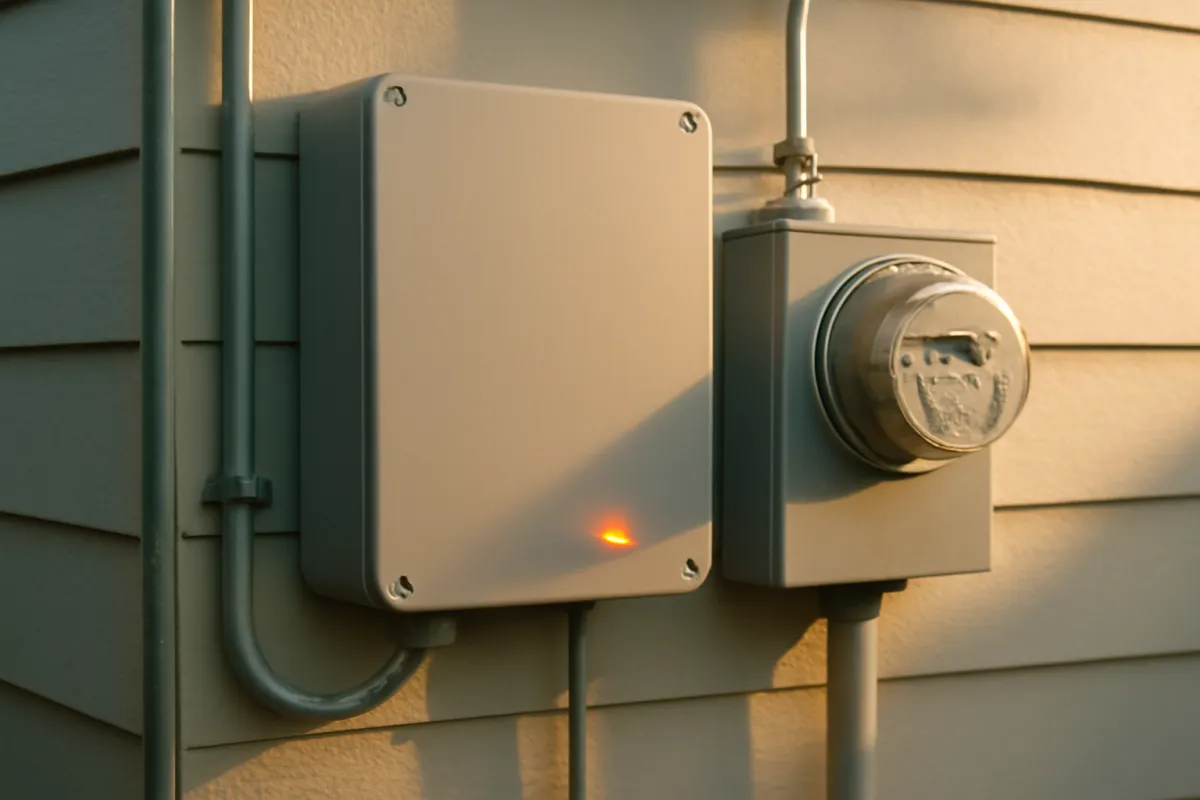
Here is the part most people get wrong: the panels are not the component that wears out first. The inverter is, and it typically lasts about 10 to 15 years, roughly half the life of the panels it serves. The inverter is the box that converts the panels’ direct current into the alternating current your home uses, and unlike the panels it contains hardworking electronics that run whenever the sun is up. Those components age faster than solid-state silicon, which is why the inverter is the piece you should plan to replace.
There are two main types, and they age differently. A string inverter, the single central unit common on many systems, usually carries a 10 to 12-year warranty and lasts around that long, sometimes a bit more. Microinverters, small units mounted under each panel, and some hybrid or battery-ready inverters are commonly sold with longer coverage than a string unit, sometimes approaching the panels’ own term, though the exact years are a per-manufacturer figure you read off the datasheet rather than a rule. If long-term, low-maintenance operation matters to you, the inverter choice is where that trade-off lives. An illustrative string-inverter replacement runs about $2,000, the anchor our maintenance cost note uses when it totals a system’s 25-year upkeep, and it is the single figure most worth penciling into an honest lifetime estimate.
The inverter is the part you will likely replace
Because the inverter is the short-lived component, it deserves its own line in your planning, and its own place in how you picture a system’s lifespan. Think of the array as two clocks running at different speeds. The panels’ clock runs 25 to 30-plus years. The string inverter’s clock runs 10 to 15. Over the life of a system, the panel clock ticks once while the inverter clock ticks two or even three times, which is why “the panels last 25 years” and “you will probably replace the inverter” are both true at once.
The stacked chart below makes that split visible. It frames a roughly 30-year panel life and marks where the first inverter typically hands off to a replacement, so you can see at a glance that the inverter is the component driving mid-life cost, not the panels.
A solar system's lifespan by component: panels vs inverter
The panels span the whole bar (about 30 years). The split marks where a typical string inverter is replaced. Illustrative.
The panels run the full length of the bar. The inverter is replaced roughly once partway through, which is the real mid-life cost to plan for, not the panels.
How climate and install quality change longevity
Where you live and who installs your system both move the lifespan number, sometimes by years. Climate acts mainly through heat and weather stress. A hot desert climate ages panels a little faster through sustained high temperatures, while a mild coastal or northern climate is gentler, though coastal salt air adds its own slow corrosion. Regions with heavy hail, deep snow loads, or frequent high winds put more physical stress on the panels and mounts, which can seed the microcracks that trim output. None of this makes solar a bad idea in a harsh climate; it just nudges where in the range your panels land and raises the value of durable hardware.
Install quality is the lever you actually control. Panels need airflow behind them to shed heat, so a tight, poorly ventilated mount runs hotter and ages faster. Clamps torqued too hard can stress the frame and glass. Cheap connectors and exposed wiring weather and fail sooner than the panels do. And the racking that holds everything to the roof has to survive decades of thermal expansion and wind. A meticulous installer using quality mounting hardware buys you the long end of the lifespan range; a rushed, low-bid job can cost you years. This is one more reason our cost breakdown argues for comparing installers on quality, not just price per watt.
Maintenance that extends panel life
Solar panels are famously low-maintenance, which is part of their appeal, but a few light habits help them reach the long end of their lifespan:
- Keep them reasonably clean. In dusty or pollen-heavy areas, occasional rinsing restores output lost to soiling. In most rainy climates, rain does the job for free.
- Watch the monitoring. Most modern systems report production. A sudden or steady unexplained drop is an early warning of an inverter issue, a failed panel, or shading from a grown tree, and catching it early prevents lost generation.
- Keep shade off the array. Trees grow. Trimming branches that creep onto the panels protects both output and the cells from hot spots.
- Check mounts and seals periodically. A quick professional inspection every several years catches loose hardware, weathered wiring, and roof-penetration seals before they become problems.
- Clear heavy snow gently, if at all. Panels usually shed snow on their own; aggressive scraping does more harm than the lost production is worth.
None of this is demanding, and none of it involves the panels’ internals. The goal is simply to remove the avoidable stresses, soiling, shading, undetected faults, so the hardware can run its natural long life. The panels will handle the rest on their own.
What to expect in decades two and three
Most lifespan discussions stop at a number. It is more useful to walk the timeline, because what an owner actually experiences across 30 years is a sequence of small, mostly undramatic events. Treat the percentages below as the same illustrative curve used throughout, roughly half a percent of annual decline.
Years 10 to 15. The array is still producing around 96% of new at year 10 and about 93% by year 15, which is close enough to the original that you would not notice without the monitoring data. This is the window where the string inverter usually reaches the end of its life and gets replaced, the single largest mid-life cost. It is also a sensible time for a professional to look at mounts, roof penetrations, and connectors, since anything installed poorly has now had a decade of weather to prove it.
Years 15 to 25. Output drifts from roughly 93% toward about 89% at year 25. The most consequential event in this stretch usually has nothing to do with the panels: if the roof needs replacing, the array has to come off and go back on. Pulling and reinstalling panels is a real cost, which is why a roof with limited life left is worth addressing before panels go on it in the first place. Depending on the manufacturer, a shorter product warranty may lapse in this window while the production warranty runs on.
Years 25 to 35. The production warranty ends and nothing happens. The panels keep making power on the same slope, landing near 86% of original around year 30 and about 84% by year 35. Two things push in opposite directions here: the array makes a bit less each year, while electricity rates generally rise, so each kilowatt-hour it does make tends to be worth more than it was. Replacement becomes a choice about roof space and efficiency rather than a repair. If a sale happens in this window, an owned system generally still counts toward the property, which our look at how solar affects home value works through in detail.
When replacing your panels makes sense
If panels last 25 to 30-plus years, when does replacing them actually make sense? The most common answer is efficiency, not failure. Panel technology improves, so a modern panel might produce meaningfully more power from the same roof footprint than one installed 20 years ago. A homeowner who has added an electric vehicle, a heat pump, or a battery, and now wants more production than the old array delivers, might replace working panels to pack more watts onto a limited roof. That is an upgrade driven by changing needs, not by the old panels wearing out.
The second case is genuine end-of-life, which usually arrives well past the warranty: output has declined far enough, or enough panels have developed faults, that the array no longer earns its roof space. Even then, replacement is often paired with a roof replacement, since it makes sense to pull panels once and reinstall on a fresh roof. The panels that come off are not simply rubbish either, and where they can go is the subject of our note on solar panel recycling and disposal. A related consideration is resale value: an owned system, even an aging one, generally still counts in a home’s value, which our note on how solar affects home value works through in detail. The practical takeaway is that panel replacement is rarely urgent and rarely forced. It is a planned upgrade or a roof-timed swap, not an emergency.
Lifespan vs payback: solar outlasts its break-even
The reason lifespan matters so much to the economics is simple: panels last far longer than they take to pay for themselves. A typical home solar system breaks even somewhere around year 8 to 11, depending on your electricity rate, sun, and install price. Against a 25 to 30-year life, that means the system spends its first decade or so paying itself back and its remaining 15 to 20 years producing power that is close to free. The long tail of the lifespan is where solar actually earns its keep.
This is why degradation, real as it is, rarely changes the verdict. Yes, the panels make a bit less each year, and yes, you should budget one inverter replacement around year 12 to 15. But those are modest trims against nearly two decades of near-free production after break-even, especially since electricity rates tend to rise over time, making each later year’s output worth more than the last. Our payback field guide runs the break-even arithmetic in full, and it is the number that, paired with this lifespan, decides whether solar is worth it for your roof. Run both against your own bill in the calculator before you trust any national average.
Sizing for the long haul
Lifespan should shape how you size a system, not just how you value it. Because panels degrade slowly over decades, a well-designed array is sized with the back years in mind, not only year one. A system that exactly meets your needs when brand new will fall slightly short of that in year 20, since it is producing 90-odd percent of its original output by then. Installers account for this by sizing to your annual usage with a small cushion, so the array still covers most of your consumption late in life.
Your future needs matter as much as degradation here. If you expect to add an electric vehicle, a heat pump, or a battery over the coming years, your electricity usage will climb, and a system sized only to today’s bill will feel undersized long before the panels wear out. Because the panels will be on the roof for decades, it is worth sizing for the household you expect to be, not just the one you are now. Our note on how many panels you need walks through sizing to usage, sun, and offset goals, all of which interact with the slow output decline this field guide describes. The calculator lets you test a size against a chosen year of degradation.
A worked example: output in year 1 vs year 25
Numbers make the slow decline concrete, so here is one array carried across its life. Treat every figure as illustrative.
Picture an 8 kW system that produces about 12,000 kWh in its first full year. At a steady 0.5% annual degradation rate, the output erodes gently. By year 5 it makes roughly 11,760 kWh, about 98% of new. By year 10 it is near 11,470 kWh, about 96%. By year 15 it is around 11,190 kWh, roughly 93%. By year 20 it produces about 10,910 kWh, near 91%. And by year 25, the end of the production warranty, it still makes roughly 10,640 kWh, about 89% of its original output. Past the warranty it keeps going: about 10,380 kWh at year 30, near 86% of new, and roughly 84% by year 35.
Now layer on the one component that does get replaced. Somewhere around year 12 to 15, the string inverter reaches the end of its life and gets swapped for a new one, an illustrative $2,000. The panels carry on untouched. Across the whole 25-year window the array produces the vast majority of its original output every single year, loses well under a fifth of its capacity by the end, and spends everything after break-even generating power that is close to free. That is the real shape of solar panel lifespan: a long, gentle taper, one mid-life inverter swap, and decades of production. The chart below traces the panel side of that curve.
Illustrative panel output over the years (degradation)
An 8 kW array making 12,000 kWh in year one, declining at about 0.5% a year. Bars show output as a share of year-one production. Illustrative.
Even at year 25, the panels still make close to nine-tenths of their original output. The decline is real but gentle, which is why panels keep earning long after they pay for themselves.
Put your own numbers in
The figures throughout this field guide are typical ranges, not a reading of your specific panels. Your degradation rate depends on the hardware you buy, your climate sets how fast heat and weather age it, and your install quality can move you toward either end of the range. The calculator lets you enter your system size, first-year production, a degradation rate, and a year to check, then shows the output that array would make at that point and what share of its original it represents. It is the fastest way to turn a general lifespan discussion into a number for your own roof.
Use it as a sanity check on any quote or sales claim. If an installer promises output that barely declines, or if a spec sheet’s year-25 guarantee looks weak, the calculator gives you a baseline to compare against. And because the same slow decline underlies payback and resale math, the lifespan number you land on here feeds directly into whether solar makes sense for you, which our payback and cost notes carry the rest of the way.
What happens if a panel misses its guarantee
The production warranty is a line on a graph, and it is worth knowing what happens if a panel falls below it, because that mechanic is what the 25-year promise is really made of. The manufacturer publishes a guaranteed floor for each year, say 90-something percent early on sloping to somewhere around 85% to 90% at year 25. Measured output that drops under that line is the trigger. Above it, degrading normally, nothing happens and nothing should.
Claims are uncommon for a simple reason: most panels degrade slower than the warranty floor, so they run comfortably above the guaranteed line for their whole life. A panel losing the typical half a percent a year sits well clear of a floor drawn for a faster decline, which is the manufacturer building in margin. The warranty bites mainly when a panel degrades abnormally fast, a materials problem rather than ordinary aging, and that is the exception this field guide keeps flagging.
When a claim is valid the remedy is usually repair, replacement, or a payment for the shortfall, and the terms vary by manufacturer, which is the point. A long production warranty from a company likely to still exist in twenty years is worth more than a slightly higher number from one that may not be. Proving a claim also needs evidence, which is why the monitoring habit matters: a documented production record is what turns a suspicion of underperformance into a measurable gap against the guaranteed line.
Two cautions keep expectations honest. The production warranty covers the output curve, not an inverter that quits at year 12 or a connector that weathers, each of which carries its own separate coverage. And a guarantee is only as good as the company standing behind it, so weigh the installer and manufacturer’s durability alongside the percentage. Read the actual warranty document, find the year-25 floor and the remedy, and treat both as part of the lifespan you are buying.
The bottom line
How long do solar panels last? For most quality panels, 25 to 30 years or more, with real production continuing past the warranty at a slow decline. Panels do not die on a timer; they degrade at roughly half a percent a year, still making about 85% to 90% of their original output after 25 years and dropping only gently from there. The component that genuinely wears out first is the inverter, at about 10 to 15 years, so the honest plan is to assume decades of panel life and one mid-life inverter swap. Heat, weather, microcracks, and build quality set where in the range you land, and a careful install with quality hardware buys the long end.
Because a typical system breaks even near year 8 to 11, the panels spend most of their long life producing power that is close to free, which is the whole reason lifespan matters to the economics. Run your own array’s decline, payback, and sizing against your actual bill rather than a national average, budget for the inverter, buy quality, and treat every figure here as an illustration. Do that, and the long life of solar panels stops being a marketing claim and becomes a number you can plan around.
This field guide is for education only and is not financial, tax, or engineering advice. The lifespans, degradation rates, output percentages, and dollar figures above are illustrative examples built on typical assumptions: your own panels’ longevity depends on the specific hardware and its warranties, your climate, your installation quality, and how the system is maintained over time. Real degradation curves, inverter service life, and replacement costs vary by manufacturer and product, and warranty terms change. Before you buy, read the actual production and product warranties on the panels you are quoted, confirm the inverter’s expected life and coverage, and let a qualified solar professional assess your roof, climate, and usage rather than relying on the ranges shown here.
Frequently asked questions
How long do solar panels last on average?
Most modern residential solar panels last 25 to 30 years or more, and many keep producing well beyond that at a slowly reduced output. The 25-year figure comes from the standard production warranty, not from a point where the panels stop working. In practice a panel installed today will likely still be generating power in year 30 and beyond, just a little less each year. Think of the number as the warrantied window, not an expiration date.
Do solar panels degrade over time?
Yes, but slowly and predictably. A typical modern panel loses somewhere around 0.5% of its output per year, so after 25 years it still produces roughly 85% to 90% of what it made when new. Manufacturers publish this figure and back it with a production warranty, often guaranteeing 80% to 90% of original output at year 25. Degradation is gradual erosion, not sudden failure, which is why panels keep earning their keep for decades. The exact rate varies by panel quality and climate.
What is the lifespan of a solar panel?
The useful lifespan of a quality solar panel is commonly cited at 25 to 30 years or longer, defined by the production warranty rather than a hard stop. During that window the panel keeps making electricity, tapering off at roughly half a percent a year. Past the warranty the panel does not switch off: it simply keeps producing at a modest decline, and many arrays from the early 2000s are still running today. Lifespan here means the span over which the panel produces useful, warrantied power, not the moment it dies.
Do solar panels still work after 25 years?
Yes. After 25 years a well-made panel typically still produces about 85% to 90% of its original output, and it keeps going from there. The 25-year mark is simply where the standard production warranty ends, not where the hardware quits. Output continues its slow decline of roughly half a percent a year, so a 30 or 35-year-old panel still generates meaningful power. The main components more likely to need attention by then are the inverter and, occasionally, mounting hardware, not the panels themselves.
How long does a solar inverter last?
A string inverter usually lasts about 10 to 15 years, noticeably shorter than the panels it serves, which is why it is the component most likely to be replaced during a system's life. Microinverters and some hybrid units carry longer warranties, often 20 to 25 years, and can last closer to the panels. Budgeting for one inverter replacement somewhere around year 12 to 15 is a sensible planning assumption. An illustrative string-inverter replacement runs about $2,000, the same anchor our maintenance cost note uses, though the real figure moves with system size and inverter type.
How long do solar panels last before they need replacing?
Panels rarely need outright replacement within the warranty window; most reach 25 to 30 years still producing useful power. Replacement usually becomes a choice rather than a necessity, driven by wanting higher output from newer, more efficient panels rather than by the old ones failing. The parts that genuinely need replacing sooner are the inverter, at roughly 10 to 15 years, and occasionally connectors or mounting hardware. A panel that is cracked, water-damaged, or delaminating is the exception, and a strong product warranty often covers those early failures.
What makes solar panels degrade faster?
Heat is the biggest accelerant: panels in hot climates tend to degrade a little faster than the same panels in mild ones. Weather stress from freeze-thaw cycles, hail, heavy snow loads, and high winds can create microcracks in the cells that slowly reduce output. Poor manufacturing quality and sloppy installation, such as tight wiring or inadequate ventilation behind the panels, also shorten useful life. Salt air near coastlines and persistent soiling add smaller effects. Quality hardware and a careful install are the biggest levers you control.
How long do solar panels last on a house?
On a typical house, the panels themselves are usually the longest-lived part of the system: 25 to 30 years of warrantied production, and commonly more than that at a slowly reduced output. What varies from house to house is everything around the panels. A hot, south-facing roof ages hardware a little faster than a mild climate does. Roof-mounted racking, flashing, and connectors sit in the weather for the same decades and depend heavily on install quality. And the inverter, at roughly 10 to 15 years for a typical string unit, will almost certainly be replaced once while the panels stay put. A sensible household planning assumption is decades of panel life, one inverter swap partway through, and occasional attention to mounts, seals, and shading.
How long do solar panels last before they fail?
Outright failure and gradual degradation are two different questions, and the honest answer to the failure question is that most panels never truly fail inside the warranty window. Degradation is the normal, expected path: about half a percent of output lost a year, leaving roughly 85% to 90% of original production at year 25. Failure means something else, such as a cracked laminate, moisture reaching the cells, a bad junction box, or a hail strike, and those are uncommon enough that manufacturers are willing to back panels with long product warranties. When a panel does fail early, it is usually a materials or handling problem rather than age, and a product warranty typically covers it. Age, on its own, tends to fade a panel rather than break it.
Is it worth buying solar if panels only last 25 years?
For most homes with decent sun and typical electricity rates, yes, because the panels comfortably outlast their own payback period. A system that breaks even somewhere around year 8 to 11 spends the rest of a 25 to 30-year life producing power that is close to free. The 25-year number is a warranty floor, not a ceiling, so real production usually continues past it. Whether it pays for your specific roof depends on your rate, sun, and install price, which is why running your own numbers matters more than any national average.